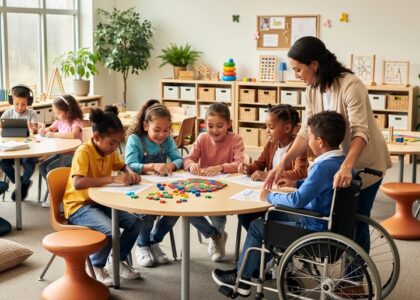
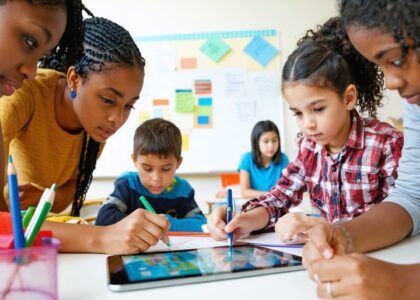
Create an inclusive learning environment by:
Embracing diversity and fostering a culture of respect for all students, regardless of background, ability level, or learning style. Ensure your classroom materials, examples, and discussions represent a wide range of perspectives and experiences.
Providing multiple ways for students to engage with content and demonstrate their understanding. Offer varied learning activities like discussions, projects, and hands-on experiences to cater to different strengths and preferences.
Building a supportive classroom community where every student feels valued, heard, and empowered to participate fully. Encourage peer collaboration, celebrate individual progress, and maintain high expectations for all learners.
Continuously reflecting on your own biases and how they may impact your teaching. Seek out professional development opportunities to deepen your understanding of inclusive practices and make a commitment to ongoing growth in this area.
Embrace Diversity

Culturally Responsive Teaching
Culturally responsive teaching involves adapting instructional practices to accommodate the diverse backgrounds, experiences, and learning styles of students. To create an inclusive learning environment, educators should take the time to learn about their students’ cultural backgrounds, values, and traditions. This knowledge can inform lesson planning, classroom discussions, and learning materials to ensure that all students feel represented and engaged.
Educators can incorporate diverse perspectives into the curriculum by featuring authors, artists, and historical figures from various cultural backgrounds. They should also be mindful of potential cultural biases in textbooks and supplement them with additional resources when necessary. Encouraging students to share their unique experiences and perspectives through class discussions, projects, and presentations can foster a sense of belonging and mutual understanding among classmates.
Additionally, educators should be aware of cultural differences in communication styles, social norms, and expectations for student-teacher interactions. By demonstrating sensitivity, flexibility, and a willingness to learn, teachers can create a safe and supportive environment where all students feel valued and respected.
Inclusive Curriculum
An inclusive curriculum incorporates diverse perspectives, experiences, and contributions from various cultures, ethnicities, genders, and abilities. For example, when teaching about historical events, include voices and stories from marginalized communities to provide a more comprehensive understanding. In literature classes, select books from authors of different backgrounds and discuss how their unique experiences shape the narratives. For science and math, highlight the contributions of diverse scientists and mathematicians throughout history. Encourage students to share their own cultural knowledge and experiences related to the topics being studied. Regularly review curriculum materials to ensure they are free from bias and stereotypes. Seek input from diverse stakeholders, including students, families, and community members, when developing and refining curriculum. By intentionally integrating diverse perspectives into the curriculum, educators create a more inclusive learning environment where all students feel represented, validated, and connected to the content.
Accommodate Different Learning Styles
In an inclusive learning environment, it’s essential to recognize and accommodate the diverse ways in which students process and retain information. By incorporating strategies that cater to visual, auditory, and kinesthetic learners, educators can ensure that all students have equal opportunities to engage with the material and succeed.
For visual learners, who grasp concepts best through images, diagrams, and written information, teachers can use visual aids like slides, videos, and infographics to support their lessons. Providing handouts, mind maps, and graphic organizers can also help visual learners organize and internalize key concepts. Encouraging students to create their own visual representations of ideas, such as drawings or flowcharts, can further reinforce their understanding.
Auditory learners thrive on verbal explanations, discussions, and audio resources. To support these students, educators can incorporate techniques like lecturing, facilitating group discussions, and using podcasts or audiobooks as supplementary materials. Encouraging students to participate in class discussions, debates, and oral presentations can help auditory learners process and articulate their thoughts effectively. Additionally, using mnemonic devices, rhymes, or songs can make information more memorable for these learners.
Kinesthetic learners, who prefer hands-on experiences and physical movement, benefit from active learning strategies. Teachers can accommodate different learning styles by incorporating tactile materials, manipulatives, and experiential learning activities into their lessons. Role-playing, simulations, and educational games can engage kinesthetic learners and help them grasp abstract concepts through concrete experiences. Providing opportunities for movement, such as brain breaks or physical demonstrations, can also help these learners stay focused and energized.
By employing a variety of teaching methods and resources that cater to different learning styles, educators can create a more inclusive and effective learning environment for all students.

Promote Active Participation
To promote active participation in an inclusive learning environment, it’s essential to employ strategies that engage all students and ensure everyone has a chance to contribute. One effective technique is to use a variety of questioning styles, such as open-ended questions, think-pair-share, and polling, to encourage students to share their thoughts and opinions. This approach helps create a safe space where students feel comfortable participating without fear of judgment.
Another way to foster active participation is through collaborative learning activities, such as group projects, peer tutoring, and jigsaw discussions. These activities allow students to work together, learn from each other, and develop essential social skills. By assigning roles within the group and providing clear expectations, teachers can ensure that all students have an opportunity to contribute meaningfully.
Incorporating technology can also be a powerful tool for promoting active participation. Online discussion forums, interactive whiteboards, and digital platforms like Kahoot! or Mentimeter allow students to engage with the material and each other in real-time, even in remote or hybrid learning environments. These tools can be particularly beneficial for students who may be hesitant to speak up in a traditional classroom setting.
Finally, it’s crucial to recognize and celebrate student contributions, no matter how small. Providing positive feedback, showcasing student work, and offering opportunities for self-reflection can help build confidence and encourage continued participation. By implementing these strategies consistently, educators can create a dynamic and inclusive learning environment where all students feel valued and empowered to actively engage in their own learning.
Create a Safe Space
Inclusive Language
Inclusive language fosters a welcoming classroom where all students feel valued. Instead of using gendered terms like “guys” or “ladies,” opt for gender-neutral alternatives such as “everyone,” “students,” or “folks.” When discussing families, consider using “caregivers” or “grown-ups” to include diverse family structures. Avoid phrases that assume a student’s background or abilities, such as “everyone has two parents” or “this should be easy for you.” Instead, use language that acknowledges diversity, like “some of you may find this challenging, and that’s okay.” By modeling inclusive language, educators create a respectful environment that celebrates the unique identities and experiences of every student.
Addressing Microaggressions
Microaggressions can be subtle, often unintentional slights or insults that target marginalized groups. To foster an inclusive learning environment, educators must learn to identify and address microaggressions sensitively. Common examples include assuming a student’s background based on their appearance, mispronouncing names, or singling out students as spokespersons for their race or culture. When a microaggression occurs, avoid dismissing or minimizing the impact. Instead, acknowledge the harm caused, apologize sincerely, and commit to doing better. Encourage open dialogue about microaggressions and their effects, emphasizing the importance of respect and empathy. By addressing microaggressions proactively and creating a safe space for discussions, educators can promote understanding and build a more inclusive classroom community.
Collaborate with Support Staff
Support staff play a vital role in fostering an inclusive learning environment. Paraprofessionals, teaching assistants, and other support personnel work closely with students who have diverse needs, helping to ensure they can fully participate and succeed in the classroom. By collaborating with teachers, support staff can share insights about individual students’ strengths, challenges, and learning styles. This partnership allows for more personalized instruction and accommodations. Additionally, support staff often serve as liaisons between the school and families, engaging families and advocating for their involvement. They can help communicate student progress, share strategies for reinforcing learning at home, and invite families to participate in school events and decision-making. Support staff also contribute to a positive and welcoming school culture by modeling respectful interactions, celebrating diversity, and helping all students feel valued. Their presence and assistance in the classroom can enable teachers to implement more inclusive activities and differentiated instruction. By working as a cohesive team, educators and support staff create a nurturing environment where every student feels supported and empowered to learn.

Partner with Families
Partnering with families is essential for creating a truly inclusive learning environment. Begin by establishing open, two-way communication channels with parents and caregivers. Share your inclusion goals and strategies, and invite their input and feedback. Encourage families to share their unique perspectives, cultural backgrounds, and any concerns they may have about their child’s learning needs.
Consider hosting regular family engagement events, such as workshops, cultural celebrations, or inclusive family fun nights. These gatherings provide opportunities for families to connect with each other, learn more about inclusion, and feel like valued members of the school community. Offer resources and support to help families reinforce inclusive values and practices at home, such as diverse books, conversation starters, or family-friendly activities.
Collaborate with families to develop personalized learning plans for students who may need additional support or accommodations. Involve parents in the decision-making process, and work together to set goals, monitor progress, and make adjustments as needed. Regularly communicate with families about their child’s successes and challenges, and seek their insights and suggestions.
Remember that building strong partnerships with families takes time, effort, and genuine care. By creating a welcoming, inclusive environment that values family engagement, you can harness the power of collaboration to support the success of all learners in your classroom.
Conclusion
Creating an inclusive learning environment is a continuous journey that requires commitment, self-reflection, and a willingness to adapt. By embracing diversity, fostering a sense of belonging, and providing equitable opportunities for all students to engage and succeed, educators can make a profound impact on their students’ lives. Remember, small changes can lead to significant improvements over time. Start by implementing one or two strategies and gradually build upon your progress. Seek support from colleagues, administrators, and professional development resources as you navigate this process. Most importantly, keep an open mind, listen to your students, and celebrate the unique strengths and perspectives each individual brings to the classroom. Together, we can create learning spaces where every student feels valued, supported, and empowered to reach their full potential.